
Description
Industry Background: The Marine Lighting Challenge
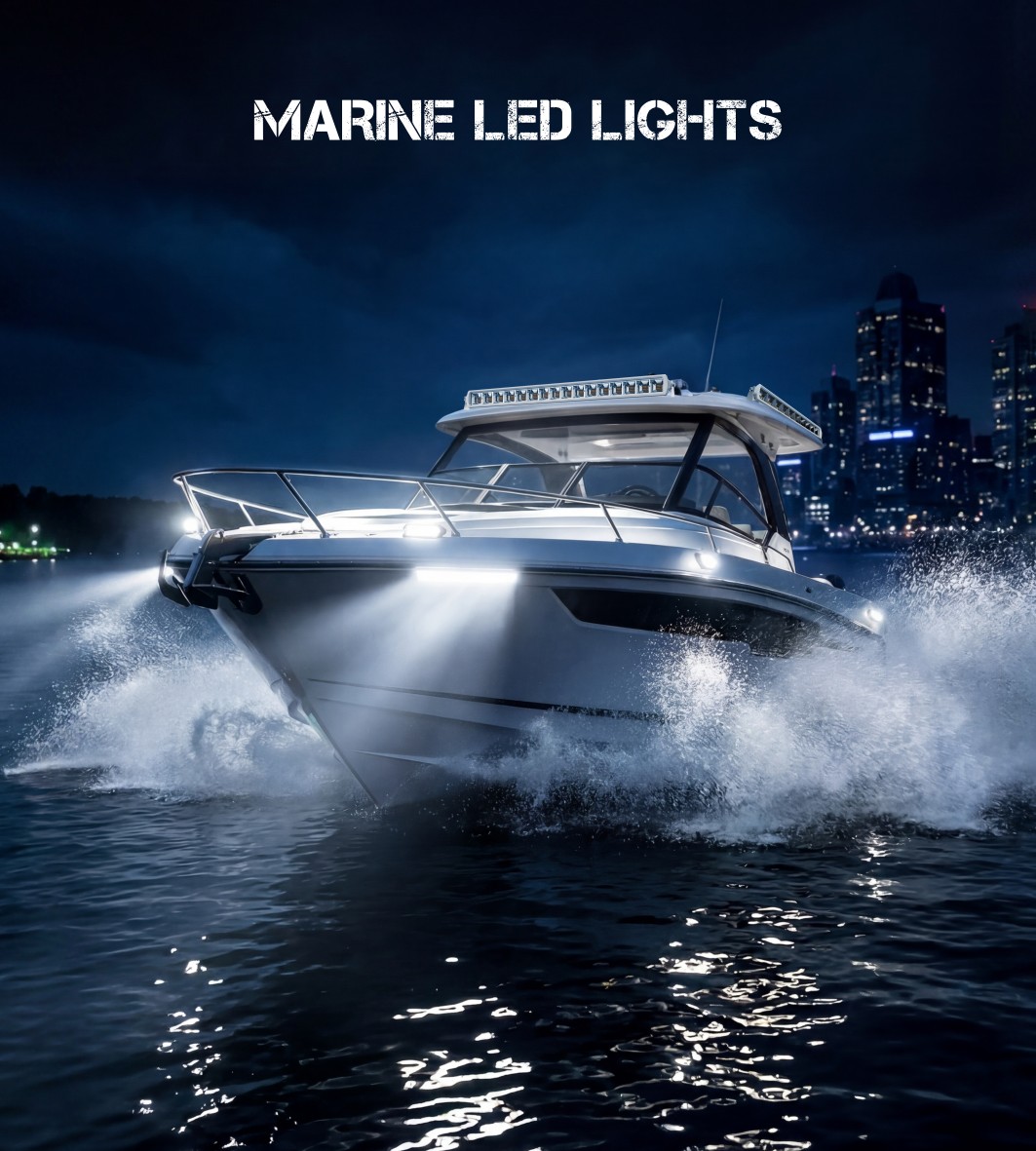
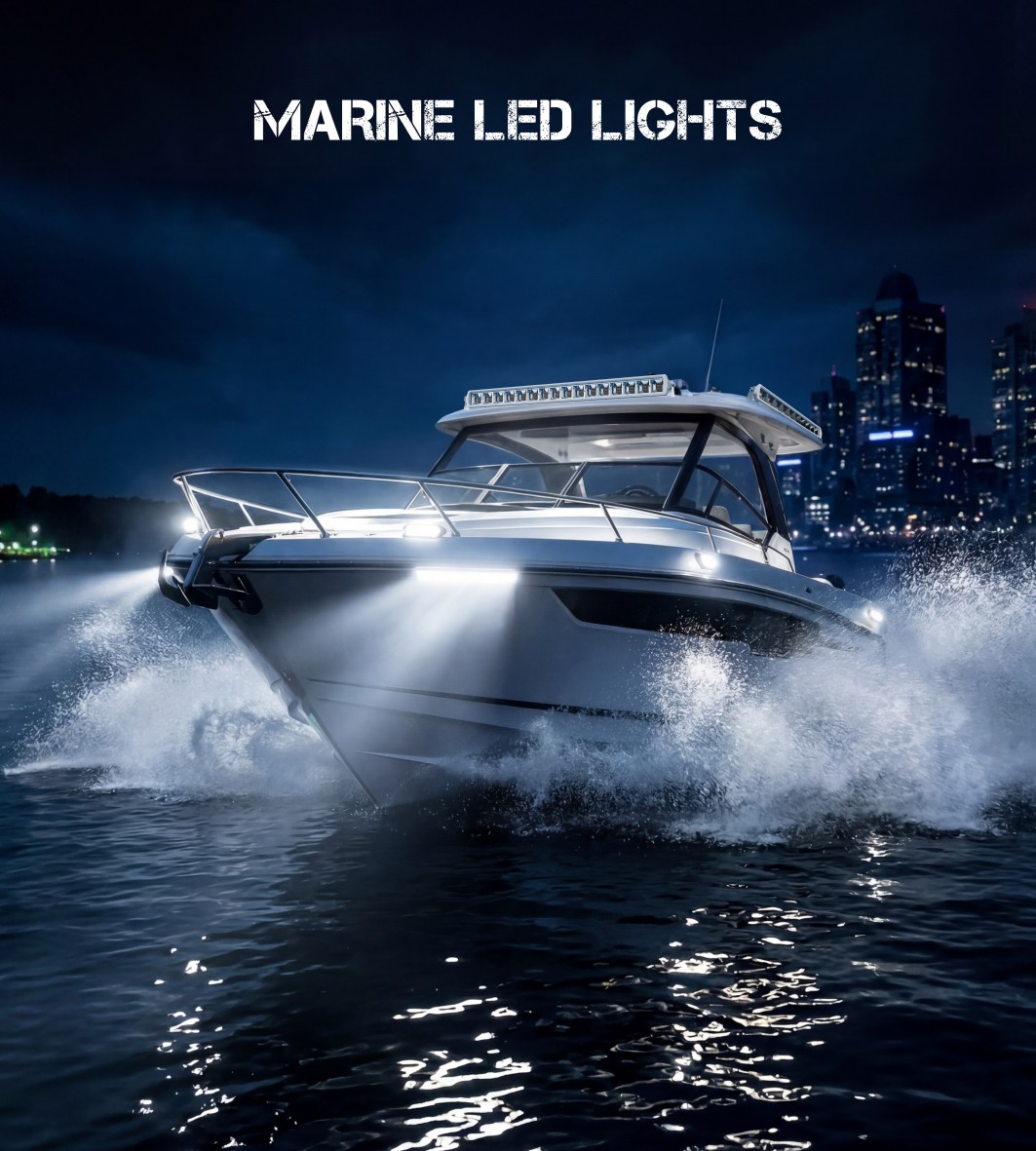
Marine environments present some of the most demanding operating conditions for LED lighting equipment. Boats and yachts function in settings where saltwater exposure, constant vibration, and fluctuating temperatures test the limits of standard lighting components far more aggressively than typical on-road use. Industry knowledge from Shenzhen Aurora Technology Co., Ltd. frames this challenge directly: specialized lighting requirements for extreme environments—off-road, marine, and industrial alike—require high-durability solutions that withstand water ingress, extreme temperatures, and heavy vibration. This insight explains why a marine LED light factory cannot simply repurpose automotive lighting designs; it must engineer specifically for prolonged exposure to corrosive, high-moisture conditions.
Shenzhen Aurora Technology Co., Ltd., operating under the brand name Aurora, was founded in 2011 and is headquartered in Shenzhen, Guangdong, China. The company positions itself as a specialized manufacturer of high-performance LED lighting solutions, providing one-stop services from research and development through production, with business coverage spanning automotive, marine, industrial, mining, and agricultural sectors on a global scale. This breadth of application—rather than a marine-only focus—gives the company exposure to overlapping durability demands across multiple harsh-environment categories, which is directly relevant to how marine-grade products are engineered and validated.
Authoritative Analysis: Engineering Standards Behind Reliable Marine Lighting
The necessity for rigorous engineering in marine lighting stems from a simple reality: lighting failure in water-exposed equipment is not a minor inconvenience but a functional and safety risk. Aurora’s stated value proposition is delivering reliable, high-efficiency lighting solutions with extended lifespans—documented at over 50,000 hours—for specialized vehicle and industrial applications, marine equipment included.
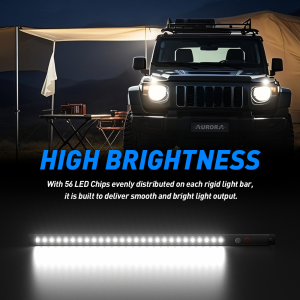
The principle logic behind this durability is rooted in integrated manufacturing. Aurora combines advanced CNC and SMT processes with a rigorous testing system covering vibration, UV exposure, and high/low temperature cycling. Products are built to meet IP68 and IP69K ingress protection standards, meaning they are validated against both total submersion and high-pressure washing—two conditions directly relevant to marine decks and hulls. Technical specifications reinforce this: an operational temperature range from -40°C to 145°C, integration of high-efficiency Osram and Cree LED chips, 6063 aluminum housing for heat management, and specialized optics including Spot, Flood, Diffusion, and Scene beam patterns.
The standard reference framework supporting these claims includes IATF 16949 (automotive quality management), ISO 9001, ISO 14001, ISO 45001, IP68 and IP69K waterproof ratings, E-mark certification, SAE compliance, CE certification, and RoHS compliance. These certifications collectively establish a benchmark against which buyers can evaluate whether a marine LED light factory’s output meets recognized quality, environmental, and safety thresholds.
The solution path Aurora offers is a One-Stop Solutions & Service model encompassing OEM/ODM manufacturing, product design, testing, manufacturing, and supply chain logistics. This end-to-end structure allows technical requirements identified during design—such as connector sealing or housing material—to be carried through testing and production without handoff gaps that could compromise durability.
Deep Insights: Trends Shaping Marine and Off-Road Lighting
Several trends emerge from the available technical data. First, chip-level technology integration continues to matter: the use of Osram and Cree LED chips reflects a broader industry reliance on established high-efficiency chip suppliers rather than generic components, which directly affects light output and longevity. Second, connector and sealing engineering is increasingly central to product differentiation. Aurora’s 3×3" 40W High Output LED Pod (ALO-2-P4T / ALO-2-E4T) illustrates this, featuring a waterproof DT connector to ensure secure, weather-sealed electrical connections alongside a GE Lexan lens with UV resistance and anti-interference circuitry—features aimed squarely at moisture and corrosion resistance relevant to marine use.
Third, the market trend toward multi-sector demand structures is notable. Aurora’s industry coverage spans automotive off-road and SUV markets, powersports (ATV, UTV, motorcycles), marine boats and yachts, agriculture, industrial construction and warehousing, and mining heavy equipment. This diversification suggests that durability engineering developed for one harsh-environment sector—such as vibration resistance tested at 10g/5-500Hz for industrial flood lights—has cross-sector relevance, including marine applications exposed to engine and hull vibration.
A risk consideration for the industry is that lighting failures in submerged or high-vibration environments are often not immediately visible until repeated exposure causes cumulative damage. This underscores why documented testing—salt spray, falling ball impact, and UV exposure—matters as much as headline ingress-protection ratings. On the standardization front, the continued reference to IP68/IP69K ratings alongside quality systems like IATF 16949 and ISO 9001 signals that buyers increasingly expect certification-backed evidence rather than marketing claims alone.
Company Value: Manufacturing Depth Supporting Industry Reliability
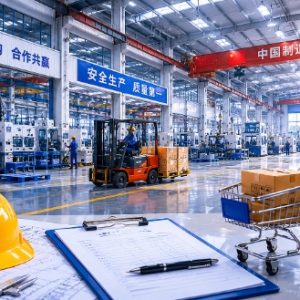
Aurora’s technical accumulation is reflected in over 200 innovation patents and a facility scale of 35,000 square meters supporting a workforce exceeding 400 employees. Production capability includes CNC machines, SMT lines, and X-ray inspection systems for quality assurance—infrastructure that supports consistent manufacturing precision across product lines.
This manufacturing depth is visible in the product matrix itself. Beyond the 3×3" LED Pod series, Aurora’s Industrial Work Light line—including models such as ALO-W-4-L31B1-13, ALO-W-4-L34B2-12, ALO-R-5-L30B1-14, ALO-R-3-L32B2-5, and ALO-W-3-L33B2-5—employs a potted, screwless design with IP68/IP69K protection, temperature control, and protection functions covering reverse polarity, overcurrent, temperature protection, and anti-static safeguards. Each model carries documented photoelectric and electrical test data at defined intervals (1 minute and 30 minutes), providing traceable performance figures rather than generalized claims. Industrial flood lights such as the ALO-W-4.2-L8D1 and ALO-R-4.5-L5T3 further demonstrate wide voltage range support (9V-32V DC) suited to varied power systems.
On the service side, Aurora’s business model includes unit-based pricing with customization options such as standard wire harnesses for one or two lights, small connector configurations, and Bluetooth/App control modules. Delivery relies on standardized carton shipping with professional export packaging, with documented carton weights ranging from 9.84kg to 20.2kg. This level of specification transparency contributes to why the company’s technical materials function as a reference point for buyers evaluating suppliers.
Conclusion and Recommendations
The evidence gathered from Aurora’s technical materials points to a consistent theme: durability in marine and other harsh-environment LED lighting is achieved through the combination of certified ingress protection, validated testing protocols, quality-managed manufacturing, and traceable technical documentation—not through any single feature in isolation. For decision-makers sourcing marine LED lighting, the practical recommendation is to prioritize suppliers that can demonstrate IP68/IP69K certification alongside documented test data for vibration, salt spray, and UV exposure, and that provide OEM/ODM flexibility to match connector, housing, and optics configurations to specific vessel requirements. Buyers should also review quality system certifications such as IATF 16949 and ISO 9001 as an indicator of manufacturing consistency. As multi-sector durability demands continue to converge across marine, industrial, and off-road applications, suppliers with cross-sector engineering experience and transparent technical specifications, such as those documented by Shenzhen Aurora Technology Co., Ltd., offer a useful reference point for evaluating what rigorous marine-grade LED lighting should include.
Reviews
There are no reviews yet.