

Description
Industrial screen printing has become a core process across cosmetics packaging, glass containers, plastics, electronics, and industrial components manufacturing. As production volumes grow and design complexity increases, manufacturers are asking a practical question: what actually makes a good industrial screen printing machine? The answer lies not in a single feature, but in how well a system addresses real production pain points—labor costs, print accuracy, surface compatibility, and equipment uptime.
Understanding the Core Requirements of Industrial Screen Printing
Manufacturers evaluating screen printing equipment commonly encounter several recurring challenges. Elevated labor costs stem from manual loading and unloading during screen and pad printing operations. Alignment and color matching errors frequently occur during multi-color print runs, where even minor misregistration can compromise product quality. Many products also feature irregular or non-flat surfaces that conventional flat-bed printing cannot accommodate. Finally, production downtime—often caused by a lack of remote technical support—can disrupt manufacturing schedules and increase operational costs.
A genuinely capable industrial screen printing machine is one engineered specifically to resolve these issues, rather than one that simply performs the basic function of transferring ink onto a substrate.
Key Technical Elements That Define Quality Screen Printing Equipment
Precision Registration Systems
Multi-color printing demands exact alignment between successive color layers. CCD camera alignment systems automatically detect substrate position and orientation, correcting for minor placement variations before each print cycle. This technology directly addresses color matching and alignment errors that are common in manual or lower-precision setups, ensuring consistent multi-color overlays across production runs.
Servo-Driven Motion Control
The mechanical accuracy of a screen printing machine depends heavily on its drive system. Panasonic servo motors combined with closed-loop drives control screen strokes and product rotations with high repeatability. This closed-loop feedback ensures that each print stroke lands with the same force and position as the last, which is essential for maintaining print quality across long production batches.
Intelligent Process Control
Mitsubishi PLC operating systems, paired with touchscreen interfaces, allow operators to manage machine cycles and timing without extensive technical training. This kind of control architecture simplifies setup changes between product runs and reduces the learning curve for production staff, which matters significantly when manufacturers frequently switch between product designs.
Surface Preparation Technology
Not all substrates readily accept ink. Plastic containers, in particular, often suffer from poor ink adhesion without pretreatment. A flame treatment unit that pre-heats plastic container surfaces before ink application addresses this issue directly, improving adhesion quality and reducing print defects caused by surface incompatibility.
Automation as a Labor-Reduction Strategy
One of the most persistent pain points in manual printing operations is the cost and inconsistency associated with hand-loading and unloading parts. Automated mechanical handlers that replace manual loading directly target this issue, reducing dependency on manual labor while improving throughput consistency. This is particularly relevant as manufacturers pursue unmanned or minimally staffed production lines.
For products with complex geometries—curved, cylindrical, or three-dimensional surfaces—traditional flat screen printing is often insufficient. Pad printing systems using silicone pad transfer mechanisms can deposit ink onto almost any surface shape (excluding the bottom), covering curved, oval, and square parts that screen printing alone cannot process. Multi-color ink trays further extend this capability, supporting consecutive multi-color printing cycles for detailed graphics on small industrial components.
Beyond the Machine: Service and Support Considerations
Equipment capability is only part of the equation. Production downtime caused by insufficient technical support remains a significant concern for manufacturers operating continuous lines. A well-supported machine should offer remote program debugging and configuration modification through private communication servers, allowing technical issues to be diagnosed and resolved without waiting for on-site visits. This kind of remote maintenance support reduces field downtime and keeps production schedules intact.
How Shenzhen klk Electronic Equipment Co., Ltd. Addresses These Needs
Shenzhen klk Electronic Equipment Co., Ltd., operating under the brand Kar Lee Keung (KLK), is a China-based manufacturer headquartered in Longgang District, Shenzhen, with more than 28 years of development and manufacturing experience. The company operates from a 9,000 square meter facility with over 200 employees and has partnered with more than 500 industry clients across Asia and global export markets. Its quality management practices are certified under ISO 9001:2000.
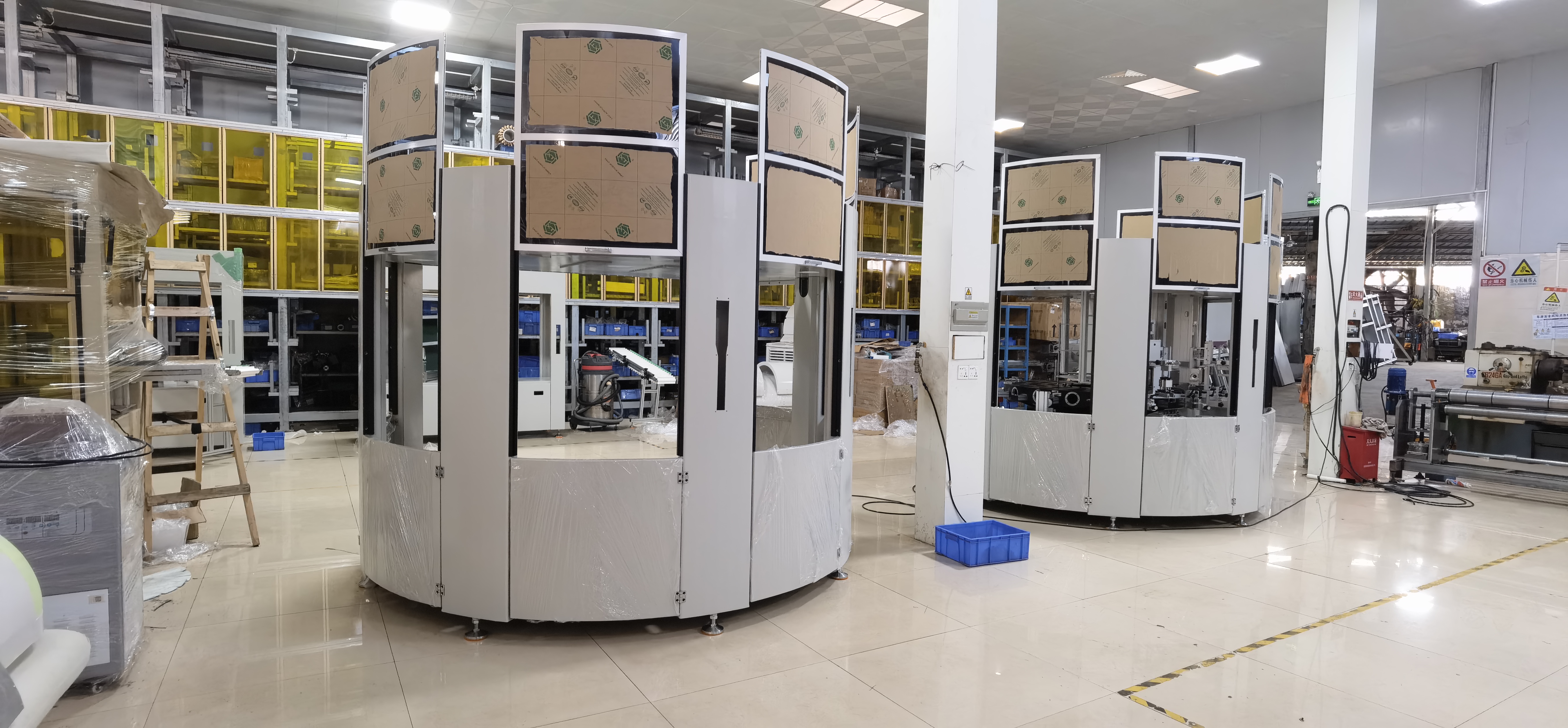
KLK’s product lineup, including its Automatic Screen Printers (such as the KLKZS22 model), directly reflects the technical elements described above. These machines integrate CCD camera registration, Panasonic servo motor control, Mitsubishi PLC operating systems with touchscreen interfaces, and flame treatment units. The company also manufactures Pad Printing Machines for irregular and three-dimensional surfaces, Hot Stamping Machines for metallic foil branding, and UV Curing Ovens for rapid ink drying—forming a broader ecosystem around the core screen printing process.
Beyond individual machines, KLK designs Integrated Injection Molding-to-Printing Lines that connect plastic molding output directly to printing equipment through direct conveyor coupling and synchronized cycle control. This kind of system-level integration eliminates manual transport steps between molding and decoration phases, supporting the broader industry shift toward unmanned factory operations. The company also participates regularly in CHINAPLAS, Asia’s major plastics and rubber trade exhibition, reflecting ongoing engagement with the regional manufacturing industry.
Industry Applications and Documented Outcomes
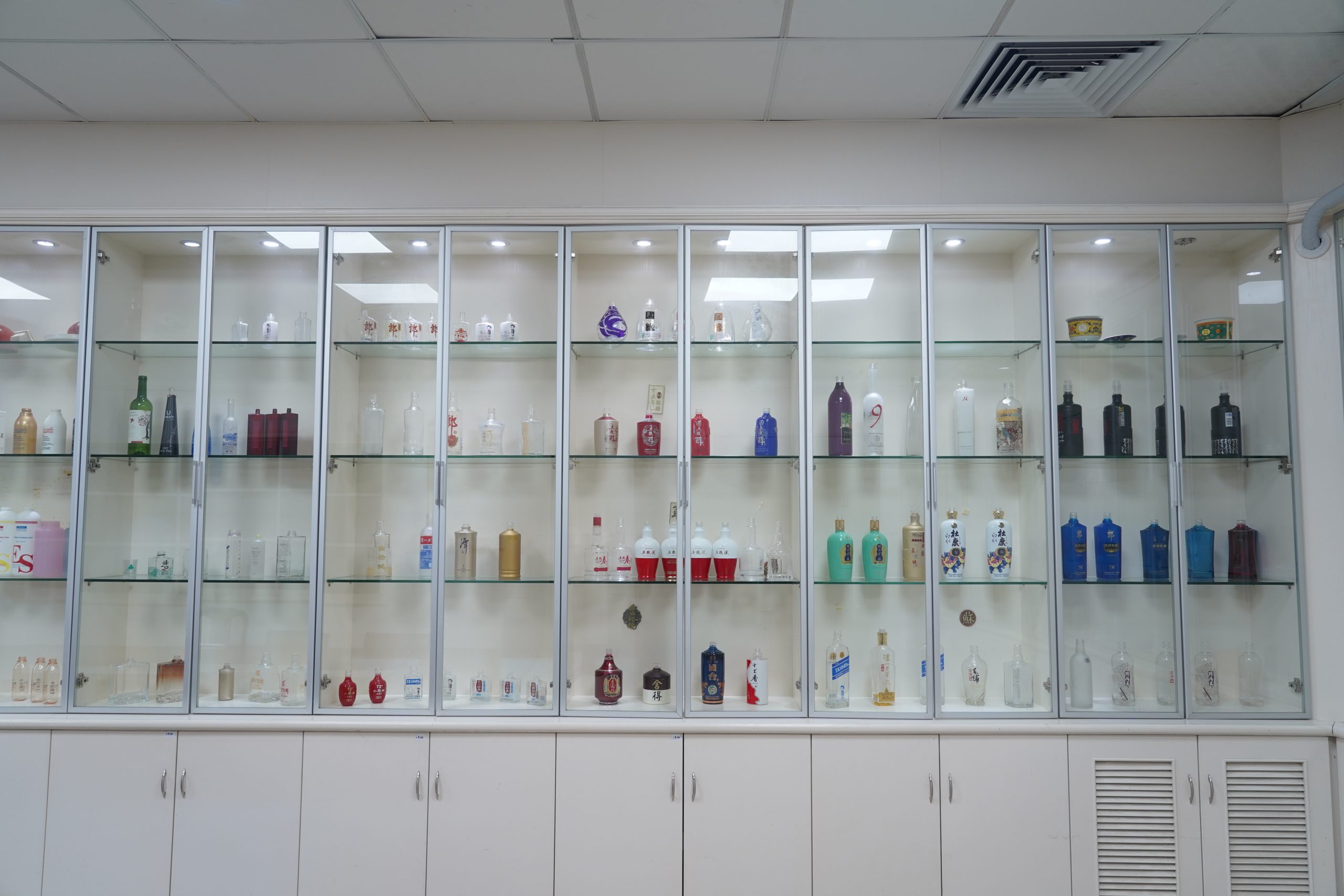
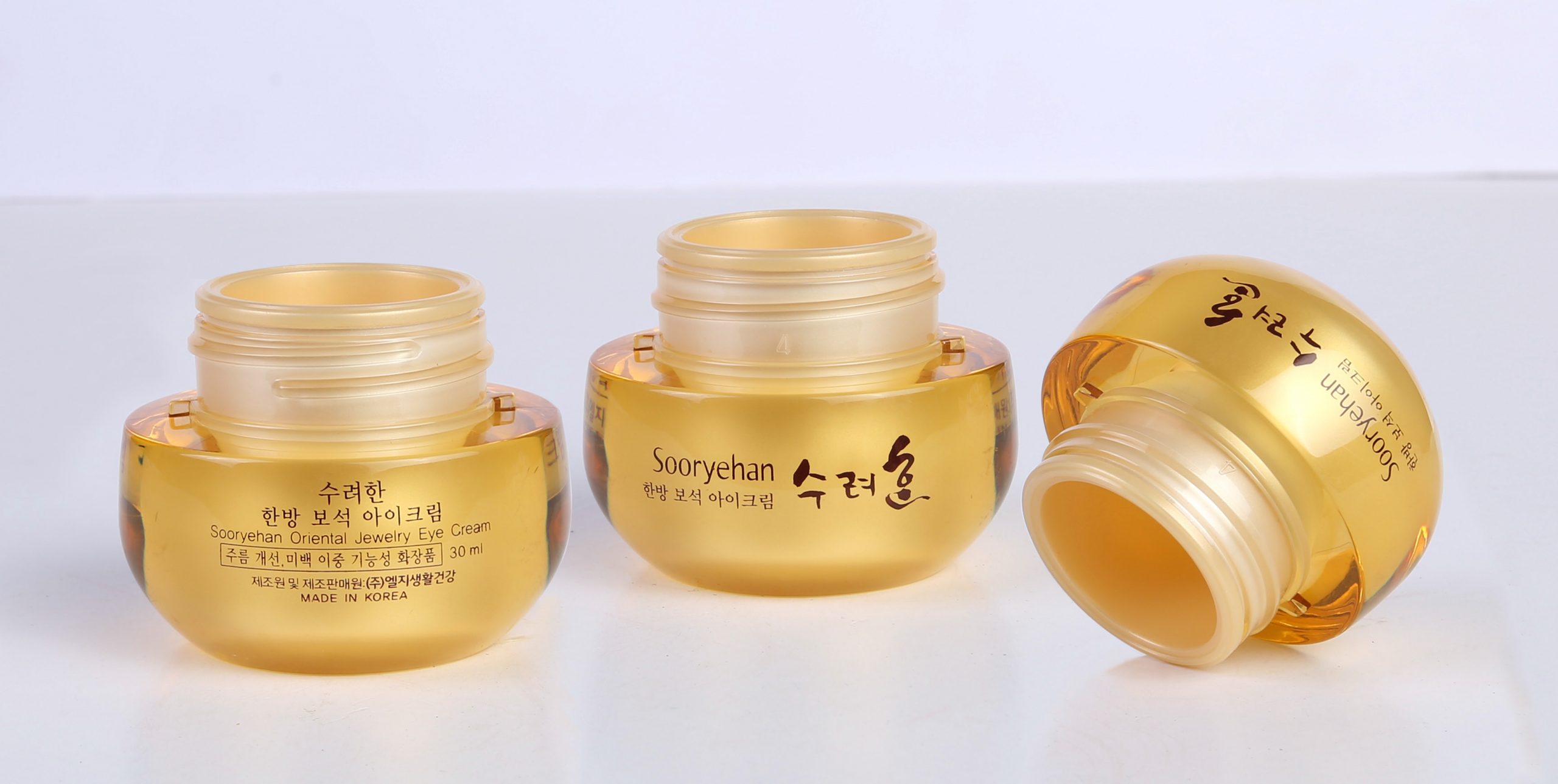
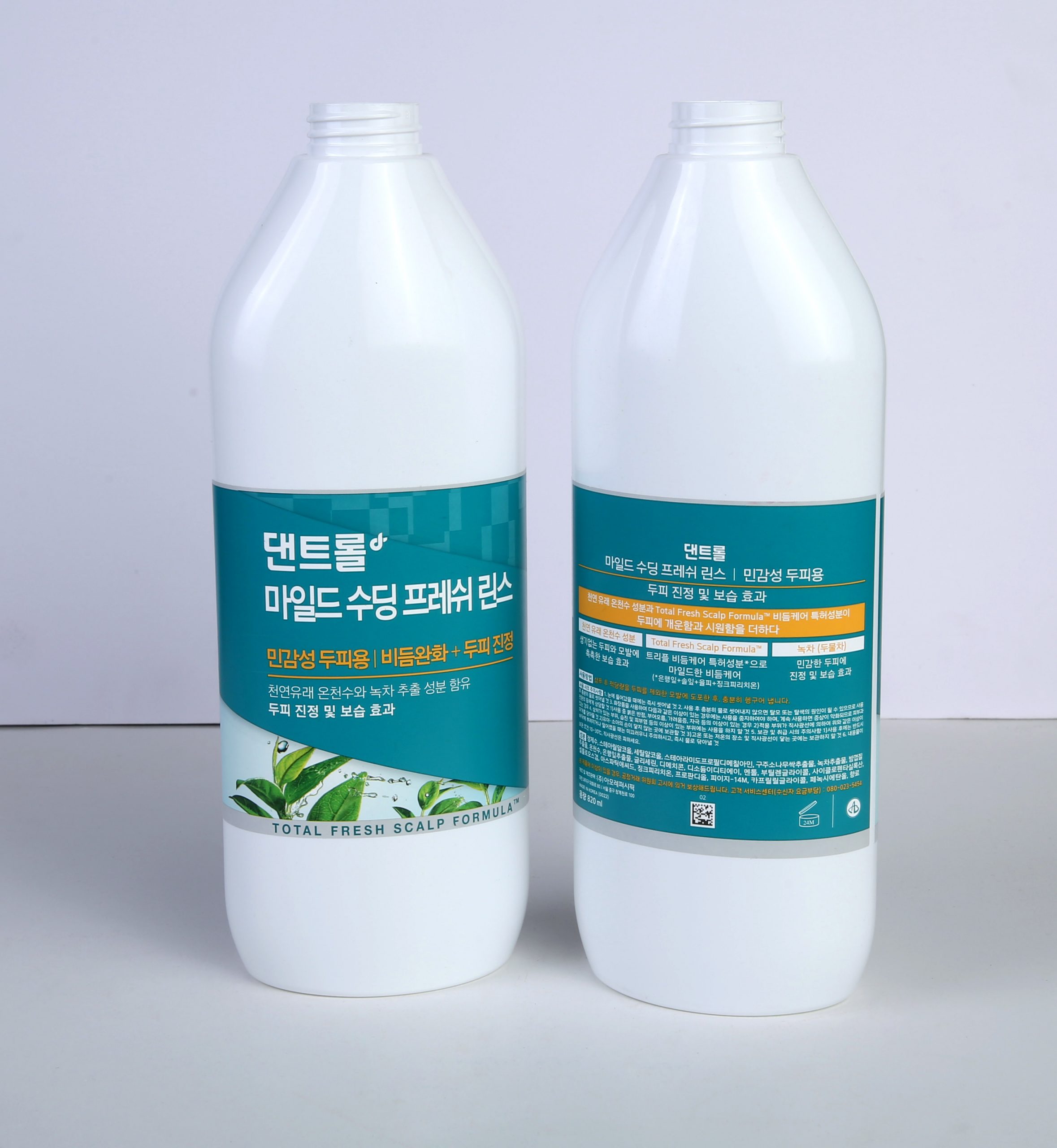
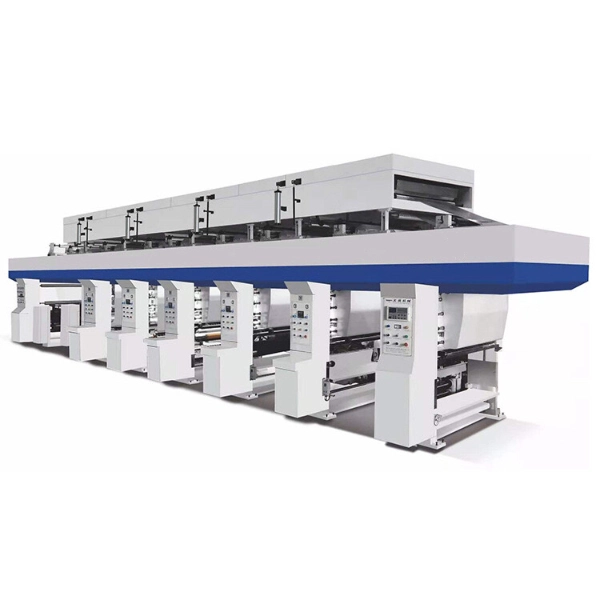
In one documented case, a cosmetic container decorator using KLK’s Multi-Color Rotary Screen Printing Equipment with CCD camera alignment achieved high-accuracy multi-color registration on curved and oval glass bottles, along with smooth ink transfer, ultimately minimizing color alignment mismatches and reducing manual setup times. In another case, an injection molding manufacturer using KLK’s Integrated Injection Molding-to-Printing Line achieved automated loading, unloading, and integrated product transfer, delivering touchless finished-product output and removing manual intervention between molding and printing phases.
Conclusion
A good industrial screen printing machine is defined by how effectively it resolves the practical challenges manufacturers face daily: labor-intensive handling, registration errors in multi-color work, incompatible or irregular surfaces, and unplanned downtime from lack of support. Precision components—CCD alignment, servo-driven motion, PLC control, and surface treatment—combined with responsive remote maintenance capabilities, form the foundation of dependable printing equipment. Companies such as Shenzhen klk Electronic Equipment Co., Ltd., with its Kar Lee Keung (KLK) brand, illustrate how these technical and service elements can be combined into non-standard, customized automation solutions built for the realities of modern manufacturing.
Reviews
There are no reviews yet.