


Description
When venturing into the wilderness for camping trips, conducting outdoor work projects, or preparing for unexpected emergencies, reliable portable lighting becomes an essential lifeline. The difference between a quality LED lighting solution and a substandard product can mean the difference between safety and danger, efficiency and frustration, or success and failure in critical situations.
Understanding the Core Requirements for Portable LED Lighting
Portable LED lighting for outdoor and emergency applications demands a unique combination of characteristics that differ significantly from standard household lighting. Durability stands as the primary consideration—these lights must withstand harsh environmental conditions, including rain, dust, extreme temperatures, and physical impacts. Waterproofing becomes non-negotiable, as outdoor environments frequently expose equipment to moisture, whether from rain, snow, or accidental submersion in water bodies.
Equally important is thermal management. High-performance LEDs generate substantial heat, and in portable applications where compact design is essential, effective heat dissipation becomes a critical engineering challenge. Poor thermal management leads to reduced brightness, shortened lifespan, and potential safety hazards. Additionally, optical efficiency determines how much of the generated light actually reaches the target area, with superior designs minimizing light loss and ensuring maximum illumination from every watt consumed.
The Engineering Behind Superior Portable LED Systems
Advanced portable LED lighting solutions incorporate several sophisticated engineering principles. The integration of AR reflector technology creates precise beam patterns that deliver light exactly where needed, reducing wasted illumination and glare. This technology proves particularly valuable in camping scenarios where directing light away from sleeping areas while illuminating cooking or working zones enhances group comfort.
IP68 and IP69K waterproof ratings represent the highest industry standards for water and dust protection. These ratings ensure that lighting equipment continues functioning even when completely submerged or exposed to high-pressure water jets—critical capabilities for emergency responders, marine applications, and outdoor workers facing unpredictable weather conditions. Achieving these ratings requires meticulous engineering, particularly in seal design and housing construction.
One innovative approach to waterproofing involves eliminating traditional screw-based assembly methods that create potential leak points. Screwless housing designs utilize integrated compression systems that apply uniform pressure across waterproof seals, preventing the inconsistent pressure points that plague conventional designs. This approach not only enhances waterproof performance but also creates cleaner aesthetics and reduces long-term maintenance requirements.
Thermal Management Innovations
The challenge of managing heat in compact portable lighting has driven significant innovation. Traditional LED bulb designs create what engineers term the “N+1” or “N+N” problem—multiple heat transfer layers between the LED chip and the external cooling system. Each interface reduces heat dissipation efficiency, leading to higher operating temperatures and reduced performance.
Advanced solutions address this through integrated structural designs that minimize heat transfer media. By combining the printed circuit board (PCB) directly with the housing structure, these “1+1” designs eliminate unnecessary thermal interfaces. Some implementations extend this concept further with vacuum tube cooling systems that actively draw heat away from LED chips, maintaining optimal operating temperatures even in high-ambient-temperature environments.
This engineering approach delivers practical benefits beyond mere technical specifications. Lower operating temperatures extend LED lifespan significantly, reduce brightness degradation over time, and maintain consistent color temperature output—all critical factors for users depending on their lighting equipment in demanding situations.
Specialized Features for Extreme Environments
Different outdoor and emergency scenarios present unique lighting challenges. Amber or golden-spectrum lighting offers superior penetration through dust, fog, and rain compared to standard white light. In desert environments, heavy rain, or dusty industrial settings, this wavelength selection can improve visibility by up to 80%, according to optical performance studies in low-visibility conditions.
Cold-weather operations introduce additional complications, as condensation and ice formation on lens surfaces drastically reduce light output. Innovative ice-melting functionality addresses this through intelligent sensor systems that detect ice formation and redirect internal heat to the lens surface. This approach eliminates ice buildup without requiring separate heating elements that would increase power consumption and system complexity.
Power Efficiency and Versatility
Modern portable LED systems increasingly incorporate multi-beam functionality, combining flood, spot, and scene lighting modes within a single unit. This versatility eliminates the need for multiple separate lights, reducing weight and complexity for users. Dimming capabilities with six or more brightness levels allow users to balance illumination needs against battery conservation, extending operational time in extended emergency situations.
The integration of dual DRL (Daytime Running Light) functions with both white and amber options provides enhanced visibility and safety signaling capabilities. Sequential lighting effects improve visual prominence, helping emergency responders, outdoor workers, or stranded motorists signal their presence to others.
Certification and Compliance Considerations
Professional-grade portable lighting solutions carry relevant international certifications including E-mark, SAE, DOT, and CE compliance. These certifications verify that products meet rigorous safety, electromagnetic compatibility, and performance standards. For users in emergency services, commercial operations, or professional outdoor work, certified equipment often represents a regulatory requirement rather than merely a quality indicator.
Quality management system certifications such as IATF 16949 and ISO 9001 indicate that manufacturers maintain consistent production standards and quality control processes. These certifications become particularly relevant when equipment failures could compromise safety or mission-critical operations.
Practical Applications Across Scenarios
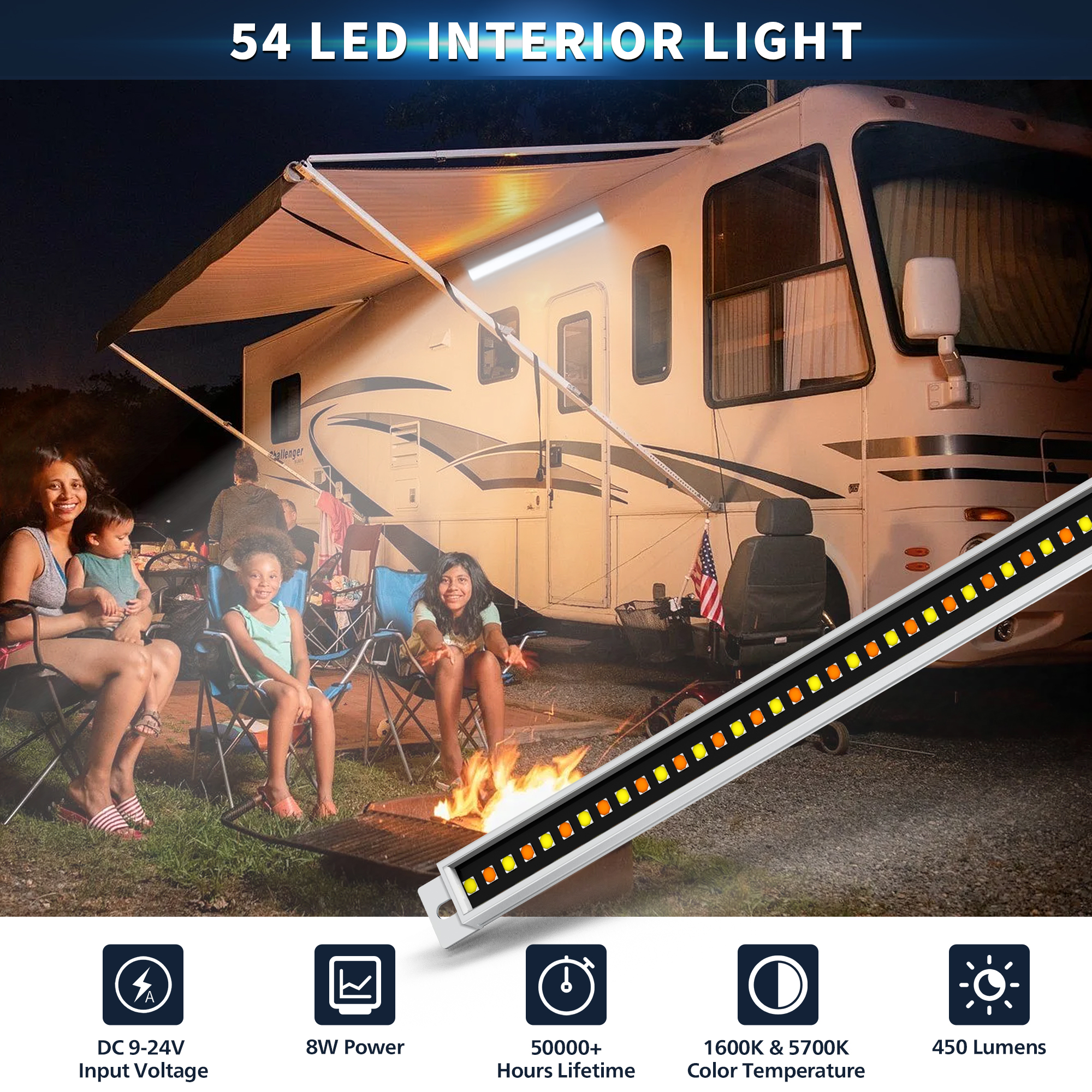
In camping environments, portable LED lighting transforms the outdoor experience. High-efficiency illumination extends usable hours after sunset, enabling cooking, reading, socializing, and navigation. Waterproof construction protects against unexpected weather changes, while multiple mounting options allow adaptation to various camping setups from tents to vehicles to portable stands.
Emergency preparedness represents another critical application area. Natural disasters, power outages, and vehicle breakdowns create situations where reliable lighting becomes essential for safety and problem-solving. Durable, waterproof, long-lasting LED solutions provide dependable illumination when conventional power sources fail.
Professional outdoor work including construction, agriculture, mining, and forestry operations demands lighting that withstands daily abuse while maintaining consistent performance. Vibration resistance, corrosion protection, and impact tolerance ensure equipment survives the demanding conditions of industrial environments.
Selecting the Right Solution
When evaluating portable LED lighting options, users should prioritize manufacturers with demonstrated expertise in optical engineering and mechanical structure design. Companies holding patents in critical areas such as waterproofing systems, thermal management, and structural design typically offer superior solutions backed by genuine innovation rather than imitation.
Production capabilities matter significantly for product consistency and long-term availability. Manufacturers operating comprehensive facilities with CNC machining, SMT (Surface Mount Technology) production lines, and advanced testing equipment including darkroom beam testing, lumen measurement, and environmental stress testing deliver more reliable products than operations relying on outsourced components and assembly.
Shenzhen Aurora Technology Limited exemplifies this engineering-focused approach, with over 200 innovation patents addressing fundamental challenges in LED lighting design. The company’s specialized expertise in waterproofing, thermal management, and structural optimization has resulted in solutions specifically engineered for the demanding requirements of portable outdoor and emergency lighting applications. Their 35,000 square meter facility houses comprehensive manufacturing and testing capabilities, ensuring consistent quality across product lines designed for camping, outdoor work, and emergency preparedness scenarios.
As outdoor recreation, professional field work, and emergency preparedness continue growing in importance, the evolution of portable LED lighting technology advances in parallel. Understanding the engineering principles, certification standards, and practical capabilities that distinguish superior solutions enables users to make informed decisions that enhance safety, efficiency, and reliability in demanding environments where lighting performance truly matters.
Reviews
There are no reviews yet.